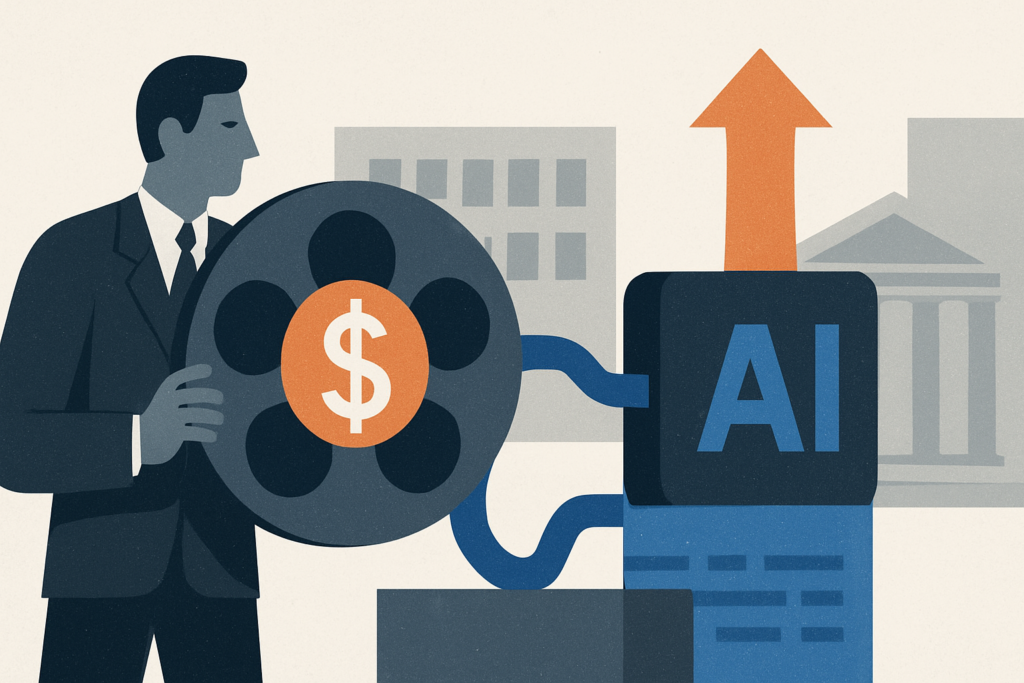
Netflix has taken a major step into Hollywood’s AI landscape, paying $587 million to acquire InterPositive, the film-technology startup founded by actor and filmmaker Ben Affleck. The deal, disclosed in a recent securities filing, adds an early mover in filmmaker-focused generative tools to Netflix’s in-house capabilities and brings InterPositive’s staff and leadership into the company.
What Netflix bought and why it matters
InterPositive launched in 2022 with the stated goal of using AI to assist filmmakers while maintaining creative control. According to Netflix’s announcement earlier this year, the startup built models and workflows intended to accelerate complex shots, postproduction tasks and other production challenges without supplanting artistic decisions. Netflix says the technology will be used exclusively on its platform.
As part of the acquisition, Netflix will bring InterPositive’s full team on board and retain Affleck as a senior advisor. The purchase underscores the streamer’s strategy of investing in tools it believes can speed production and reduce costs, while positioning itself as a leader in applying generative techniques to large-scale entertainment projects.
How the technology is being applied on set and in post
Netflix executives say the company is already deploying generative AI across a large number of projects. During its most recent earnings call, executives reported that roughly 300 productions were using AI in some stage of their workflow. The company primarily applies the technology in postproduction and for difficult visual sequences that would traditionally be time-consuming or costly.
Netflix pointed to a recent historical documentary as an example of the potential efficiencies. That project included 17 minutes of AI-enhanced footage, which the company said was produced more quickly and at a lower cost than conventional methods. Netflix characterizes this approach as a way to deliver higher-quality output faster, especially for complex shots and sequences.
Industry reactions and labor protections
The acquisition arrives amid ongoing debates in Hollywood about the appropriate role for AI in creative work. Performers’ unions have been among the most vocal parties seeking safeguards: the Screen Actors Guild–American Federation of Television and Radio Artists negotiated new contract language intended to limit unauthorized use of performers’ likenesses and to ensure protections for human performances.
Those industry negotiations reflect broader concern among artists and crew about where generative technologies might replace or alter human contributions. At the same time, some studios and startups are moving quickly to explore generative pipelines and alternative production methods, increasing pressure to define legal and ethical boundaries.
Financial context for Netflix
The InterPositive purchase comes as Netflix faces scrutiny from investors about its growth outlook. The company’s recent quarterly results prompted a decline in its stock price and led to a narrowed revenue forecast for the coming year. Netflix has framed AI investments as a lever to improve productivity across its slate, but the market reaction shows investors remain cautious about how those investments will translate into long-term subscriber and revenue gains.
For Netflix, integrating InterPositive offers multiple potential advantages: proprietary tools tailored to filmmakers’ workflows, in-house expertise aimed at maintaining creative oversight, and the ability to scale AI-supported techniques across dozens of productions. The exclusivity of the tools to Netflix could also give the streamer a competitive differentiation if the technology materially raises production efficiency or quality.
Broader implications for film and TV production
InterPositive’s founding premise—using AI to keep storytelling human—captures a central tension for the industry. Filmmakers and technologists are exploring whether generative models can be harnessed to solve practical production problems without eroding the artistic decision-making that defines cinema and television. By hiring InterPositive’s team and making its tools internal and exclusive, Netflix appears to be betting that collaborating directly with creators is a path to both innovation and industry acceptance.
At the same time, high-profile experiments with synthetic talent and AI-generated performances continue to test the boundaries of acceptable practice. Independent efforts to cast or create AI-generated actors have drawn controversy and legal scrutiny, underscoring the complex mix of technical, commercial and ethical questions that lie ahead.
Netflix’s acquisition of InterPositive is likely to accelerate those conversations. As the company folds the startup’s technology into its production pipeline, the industry will watch closely to see whether AI can deliver meaningful efficiencies while respecting the creative and labor protections that artists and unions are working to enshrine.
Source: Los Angeles Times