
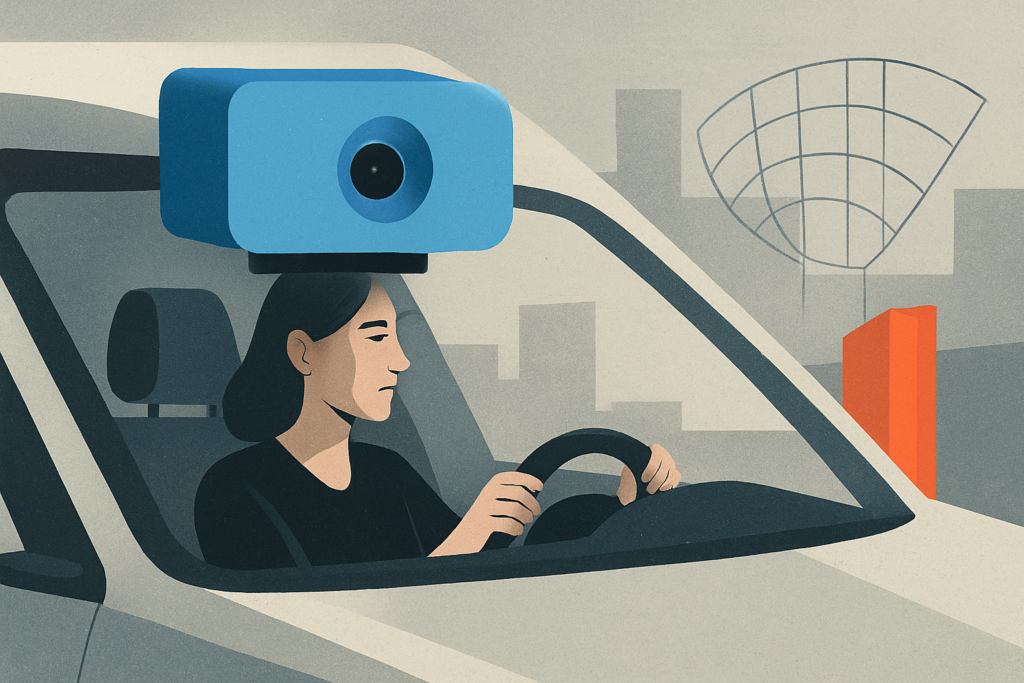
Aurora Innovation has rolled out a second‑generation autonomous hardware package and said it no longer requires a human observer behind the wheel of its vehicles. The change, reported by the Pittsburgh Business Times on July 22, 2026, applies to the company’s fleet operations and follows an earlier period when an observer had been placed at the request of a manufacturing partner.
Aurora confirms second‑generation hardware removes observer requirement
The Pittsburgh Business Times report states that Aurora, headquartered in Pittsburgh’s Strip District, has launched what it describes as second‑generation hardware for its autonomous vehicles. Under the new configuration, the company no longer places a human observer in the driver’s seat — a requirement it had maintained previously after accommodating a manufacturing partner’s request.
The article identifies the timing of the change as tied to the debut of the new hardware and frames the development as a deliberate operational decision by Aurora. The company’s move to withdraw the in‑cab observer is presented in the report as part of the fleet’s transition to operating without a human in the driver’s seat.
What Aurora changed and what the report does not specify
The report makes two clear, narrow claims: Aurora has introduced a second‑generation hardware package, and the company has stopped placing an observer behind the wheel. Beyond those points, the article does not detail the hardware’s technical makeup, the internal validation steps Aurora used, or the software and sensor changes that enabled the operational change.
Specifically, the report does not disclose which sensors, compute platforms, or redundancy architectures are part of the new hardware, nor does it publish safety testing data, performance metrics, or the operational design domain where the change applies. It also does not provide statements from Aurora’s executives or from the manufacturing partner who had requested the observer.
Why this matters
The removal of an in‑cab observer is significant because it changes how the company describes the human role in vehicle operations. According to the report, Aurora had been operating with an observer at the request of a manufacturing partner; withdrawing that observer signals a shift in how Aurora is positioning its hardware and operations.
For the company and its partners, the change reduces the need for a human to be present in the cab during runs where the second‑generation hardware is deployed. The report frames the step as movement toward fully driverless fleets, which has implications for operational costs, staffing models, and partnership agreements that had previously included human observer requirements.
Context and implications for developers, partners and regulators
The article places the development in the context of fleet operations and commercial partnerships by noting the prior accommodation to a manufacturing partner’s request. That detail implies Aurora had been exercising caution or meeting partner demands that required a human presence in the vehicle; the company’s decision to end that practice highlights a shift in either partner confidence or Aurora’s assessment of the hardware’s readiness.
Because the report provides no technical or regulatory detail, readers must treat broader implications with caution. The change could affect how Aurora negotiates future contracts with shippers and manufacturers, and it will alter the practical terms of deployments where an observer had been stipulated. The report does not state whether regulators were notified, whether formal approvals were sought, or whether the removal of observers is limited to particular routes, vehicle types or operating conditions.
What to watch next
The report leaves several important questions open. First, the technical specifics of the second‑generation hardware — the sensors, processors, redundancy measures, and integration with Aurora’s software stack — are not disclosed in the article. Observers should look for follow‑up disclosures from Aurora that enumerate those changes and provide performance or validation data.
Second, the scope and limits of the observerless operations are unclear. The report does not state whether the change applies across Aurora’s entire fleet, only to vehicles serving specific partners, or only within defined operating domains. Stakeholders should seek clarification on where and when the new hardware will be used.
Third, regulatory and partner responses are not covered. The earlier placement of an observer at a partner’s request suggests commercial and contractual factors were in play. Future reporting should clarify whether partners have formally endorsed the change and whether any regulatory bodies have reviewed or accepted the new operating posture.
Aurora’s announcement, as reported, is a concrete operational update: the company says its second‑generation hardware eliminates the need for an in‑cab observer. The most immediate consequence is a change to how Aurora and its partners will run certain fleets, even as technical, contractual and regulatory details remain to be disclosed.
Source: The Business Journals